


Shënime për Shan Zefin
Curriculum vitae
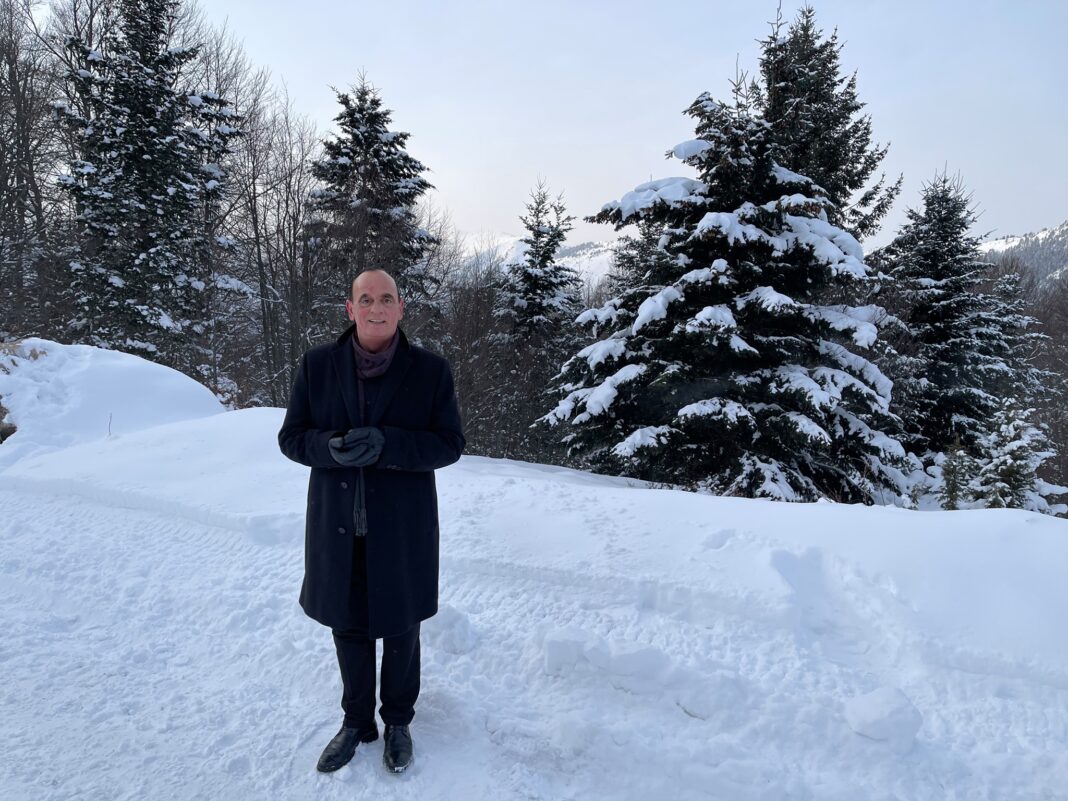
Dr. Don Shan Zefi lindi në Dunav (Gjilan), më 24 korrik 1959. Shkollën fillore e kreu në vendlindje, ndërsa gjimnazin klasik në Suboticë (1979). Stufimet filozofike e teologjike i vazhdoi te jezuitët në Zagreb dhe më parë diplomoi nga filozofia (1983), e pastaj edhe nga teologjia (1987).
Pas studimeve shugurohet meshtar në Ferizaj (1987) dhe, në të njëjtin vit, emërohet Vikar i famullisë po në atë vend, ku ishte edhe bashkëpunëtor i revistës “DRITA”. Pas një viti shërbimi pastoral ipeshkvi Imzot Nikë Prela e dërgoi në studime post-diplomike në Romë, në Universitetin Papnor Urbaniana dhe në vitin 1990 magjistroi nga e drejta kanonike me temën: Vlerësimi juridik i Kuvendit të Arbërit ndaj laramanëve në fillim të shek. XVIII-të (La valutazione giuridica del Concilio Nazionale Albanese verso i criptocattolici nel sec. XVIII). Dy vite më vonë, më 1992 e mbrojti temën e doktoranturës më suksesin më të lartë me titull: Kërkime historiko-juridike mbi islamizimin e shqiptarëve (nga shek. XV-XX (Ricerca storico-giuridica sull’islamizzazione degli Albanesi (dal sec. XV- al XX); në vitin 2000 e botoi në shqip veprën “Islamizimi i shqiptarëve gjatë shekujve, Drita-Prizren 2000; Prania e Kishës Katolike (shqiptare) në Kosovë (përbledhje historike) në www.kisha katolike.org.; Fenomeni i laramanizimit ndërshqiptar në dritën e relacioneve kishatre, në “Krishterimi ndër shqiptarë “(Simpozium Ndërkombëtar), Tiranë 2000; Kuvendi i III – të i Arbërit (1993); Shkodër 1995 (me rastin e 100-vjetorit); Deri kur shqiptarët konsideroheshin katolikë (studim), Prizren 1994; etj.
Më të kthyer në Ipeshkvinë e lindjes emërohet Kancelar (e Sekretar: 1993-2019) dhe Kryetar i gjyqit kishtar (Vikar i gjyqit: 1993-2007)me seli në Prizren, pastaj Vikar ipeshkvnor (2012-2019) dhe Vikar gjeneral (2019-) ku edhe tani i kryen këto detyra të larta dhe me përgjegjësi në Kishën katolike. Gjatë kësaj kohe, përveç misionit të tij meshtarak, merret edhe me dialogun ndërfetar dhe ekumenik (1993-2023), sidomos me intelektualët jo të krishterë. Mbetet promovues i krishterimit te shqiptarët në frymën e Kishës Katolike.
Veprimtaria e tij shkencore e Dr. Don Shan Zefit, përveç veprave që përmendën sipër, është mjaftë e pasur. Ai ka shkruar një numër të mirë të artikujve shkencorë e publicistikë, i ka botura nëpër shumë revista e gazeta, trajtesa këto kryesisht nga historia e krishterimit, që zë fill me Shën Palin e Apostujt tjerë e deri më largimin e perandorisë osmane(1912) nga tokat shqiptare, gjë që ka kontribuar në hedhjen e driçimeve (veçorive) të reja historiografike-shqiptare, sidomos të asaj kishtare, por edhe asaj nacionale, e cila histori më parë ishte falsifikuar dhe ideologjizuar qëllimisht, ishte politizuar nga regjimi i egër ateist i kohës. Rëndësia e argumenteve që ka trajtuar deri më tani, padyshim Vepra e Dr. Shan Zefit mban shkallën e lartë kritike përballë atij “segmenti” të historiografisë opurtuniste, e cila për shkaqe krejtësisht subjektive të ngarkesave fetare dhe ideologjike, relativizon natyrën dhe katrakterin e Kulturës Shqiptare, rrënjën e saj, traditën dhe trashëgiminë, gjuhën dhe shkrimin, pasi që dihet se kultura është atributi i parë i krijimit të kombit. Rëndësia e argumenteve i hedh poshtë “të vërtetat logjike”, të cilat fragmentarizojnë historinë shqiptare, atë pjesë të saj që u shkrua në bazë të supozimeve e jo fakteve konkretë, datave, ngjarjeve dhe kronikave.
Paraqitja e Dr. Don Shan Zefit nëpër seminare e tribuna shkencore ndëkombëtare, akademi e ligjërata…., “rëndësinë e argumentit” nuk e polemizon me qëndrimet e “shkencës logjike”, argumenti ofrohet për vete, argumenti sikur nuk lodhet fort t’i luftojë ata që e kanë fshehur (atë), duke e lustruar me Makinën ideologjike.
Prifti, tashmë i njohur si i Popullit, përveç punës së tij shkencore është marrë vazhdimisht me çështjen e Kosovës që nga vitet ’89 e deri më sot, për të drejtat e shqiptarëve për vetëvendosjen, për autoktoninë e tyre në këtë pjesë të Europës, për kulturën e strëlashtë dymijë vjeçare të krishterimit. Ngjashëm si paraadhësit e tij, atdhetari Dr. Don Shan Zefi, me argumente bindëse orvatet që Atdheut t’i kthehet identiteti i ndritshëm historik, kombëtar e fetar. Dhe për këtë Kisha dhe kombi u është falënderues (Teki Dervishi)
***
Nb. Merita e tij e veçantë është ideja e ndërtimit të Katedrales në Prishtinë, duke qenë edhe promotori i saj nga vitet 1993 e këndej;
Një meritë tjetër është restaurimi i Kompleksit të Kishës Katolike në Prizren, zbulimet e para arkeologjike brenda dhe jashtë saj ( nga periudha paleokristiane, mesjetare, osmane), restaurimi i Kompleksit shkollor në oborrin e katedrales, kthimi i të gjitha objekteve kishtare…, por iniciativa tjera, si ndërtimi i kishës në Kravaseri, ndërtime të shumta objektesh (shtëpive) për të varfër e shumë të tjera që i di vetëm Zoti. Një humanist i madh i Dioqezës dhe Kosovës.
Një prift besnik e në linjen e Kishës që nga dita e parë meshtarake dhe këtë frymë e mban edhe sot e, ndoshta edhe më shumë. Një meshtar shembull për të gjithë, pavarësisht religjionit, kombit, racës…

Curriculum Vitae
Dr. Don Shan Zefi was born in Dunav (Gjilan) on 24 July 1959. He completed his primary education in his hometown, while his classical secondary education was pursued in Subotica (1979). He continued his philosophical and theological studies with the Jesuits in Zagreb, earning first a degree in Philosophy (1983) and later in Theology (1987).
After completing his studies, he was ordained a priest in Ferizaj (1987) and, in the same year, was appointed Vicar of the parish in that city, where he also served as a contributor to the magazine Drita. After one year of pastoral service, Bishop Nikë Prela sent him for post-graduate studies in Rome, at the Pontifical Urbaniana University. In 1990 he earned his Licentiate in Canon Law with the thesis: The juridical evaluation of the Albanian National Council (Council of Arbër) concerning the Crypto-Catholics at the beginning of the 18th century (La valutazione giuridica del Concilio Nazionale Albanese verso i criptocattolici nel sec. XVIII). Two years later, in 1992, he defended his doctoral dissertation with the highest distinction, entitled: A Historical–Juridical Study on the Islamization of the Albanians (15th–20th century) (Ricerca storico-giuridica sull’islamizzazione degli Albanesi (dal sec. XV al XX)). In the year 2000 he published in Albanian the monograph Islamization of the Albanians Through the Centuries, Drita–Prizren 2000. Other publications include: The Presence of the (Albanian) Catholic Church in Kosovo (a historical overview) on www.kishakatolike.org; The Phenomenon of Crypto-Catholicism among Albanians in Light of Ecclesiastical Relations, in Christianity among the Albanians (International Symposium), Tirana 2000; The Third Council of Arbër (1993); Shkodër 1995 (on the occasion of the 100th anniversary); Until When Were Albanians Considered Catholics? (a study), Prizren 1994; and several others.
Upon returning to his native Diocese, he was appointed Chancellor (and Secretary: 1993–2019) and President of the Ecclesiastical Tribunal (Judicial Vicar: 1993–2007) with his seat in Prizren. Later he served as Episcopal Vicar (2012–2019) and has served as Vicar General (2019–present), positions of high responsibility which he continues to hold within the Catholic Church. During this period, in addition to his priestly ministry, he has been actively engaged in interreligious and ecumenical dialogue (1993–2023), particularly with non-Christian intellectuals. He remains one of the principal promoters of Christianity among Albanians in the spirit of the Catholic Church.
The scholarly activity of Dr. Don Shan Zefi, in addition to the works mentioned above, is notably rich. He has authored numerous scientific and publicistic articles, published in a wide range of journals and newspapers. His studies focus primarily on the history of Christianity—beginning with St. Paul and the Apostolic era, extending to the departure of the Ottoman Empire from Albanian territories in 1912. His work has contributed significantly to shedding new historiographical light, especially on the ecclesiastical but also on the national dimension of Albanian history—fields which had long been falsified, ideologically manipulated, or politically distorted by the former atheist regime. The relevance of the arguments he has advanced positions Dr. Zefi’s scholarly contributions at a high critical level vis-à-vis that segment of opportunistic historiography which, due to subjective ideological and religious burdens, tends to relativize the nature and character of Albanian Culture—its roots, tradition, heritage, language, and early literary development—despite the fact that culture is the primary attribute in the formation of a nation. His arguments effectively refute “constructed logical truths” which fragment Albanian history and its essential components, often written on speculative assumptions rather than concrete facts, dates, events, and chronicles.
In his presentations at international scientific seminars, symposia, academic forums, and lectures, Dr. Don Shan Zefi does not engage in polemical confrontation with “logical science”; rather, he allows the weight of the argument to stand on its own. The argument does not exhaust itself in combating those who have deliberately obscured historical truth by cloaking it in ideological frameworks.
A priest widely recognized as “the Priest of the People,” Dr. Zefi has been deeply engaged in the question of Kosovo since the late 1980s—defending the right of the Albanian people to self-determination, their autochthony in this part of Europe, and their millennia-long Christian cultural heritage. Following in the footsteps of his predecessors, the patriot Dr. Don Shan Zefi, through compelling evidence, strives to restore to the Homeland its luminous historical, national, and religious identity. For this, both Church and nation are profoundly grateful (Teki Dërvishi).
Note
His outstanding merit includes the original idea and continuous promotion (since 1993) of constructing the Cathedral in Prishtina.
Another significant contribution is the restoration of the Catholic Church Complex in Prizren, including pioneering archaeological discoveries inside and outside the site (from the paleochristian, medieval, and Ottoman periods); the restoration of the school complex within the cathedral courtyard; the return of all ecclesiastical properties; as well as many other initiatives, such as the construction of the church in Kravaseri, numerous homes for the poor, and many other projects known only to God. He is regarded as a great humanist of the Diocese and of Kosovo.
A faithful priest, steadfast in the Church’s teaching from the first day of his priesthood—an example for all, regardless of religion, nationality, or race.